

Health Blog
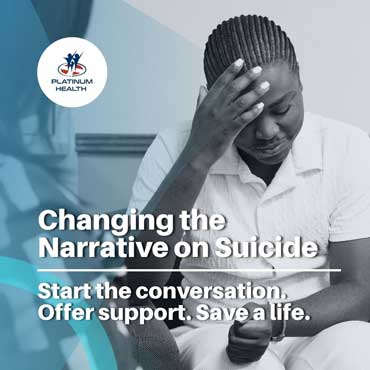
Changing the Narrative on Suicide
World Suicide Prevention Day, observed today, 10 September, reminds us that suicide is preventable and that everyone has a role to play in prevention. The 2024–2026 global theme, “Changing the Narrative on Suicide,” calls for moving away from silence, stigma and misunderstanding towards openness, compassion and support.
Understand. Notice. Ask. Support.
People who experience suicidal thoughts often experience intense emotional or psychological pain. This may be related to mental health difficulties, stressful or traumatic life events, relationship or financial challenges, work pressures, substance use, or a combination of factors.
Feeling suicidal is not a character flaw. It does not mean that someone is weak, crazy or damaged. It may mean that their pain has become overwhelming and that they need support.
Know the Warning Signs
Be aware of significant changes such as:
- Talking about death, suicide, hopelessness or feeling like a burden.
- Feeling trapped or believing that things will never improve.
- Withdrawing from family, friends or colleagues.
- Significant changes in mood or behaviour.
- Increased use of alcohol or other substances.
- Experiencing overwhelming distress following a loss, trauma, relationship breakdown, financial difficulty or other crisis.
- Giving away possessions or putting personal affairs in order.
If you are concerned about someone, take it seriously and reach out!
Start the Conversation
- Ask
Don’t be afraid to ask directly “Are you thinking about hurting yourself or ending your life?” Asking about suicide does not put the idea into someone’s head. It can create an opportunity for a person to talk and receive help. - Listen
Calmly and without judgement. You don’t need to have all the answers. Let the person know that they are not alone. - Support
Encourage them to access professional help. If they are at immediate risk, do not leave them alone. Help them get urgent assistance. - Get Help Right Away!
If you think you may hurt yourself, have made a plan to end your life, or feel that you may not be able to keep yourself safe:
Mental Health Services 014 590 1700
Call to arrange an appointment with a mental health professional.
GP or Emergency Room (ER)
Seek urgent medical assistance if there is an immediate risk of harm.
Reach Out to Someone You Trust
Tell a family member, friend, colleague or other trusted person and ask them to stay with you while you get help.
Changing the Narrative Starts with Us!
You don’t have to be a mental health professional to make a difference.
Ask. Listen. Support. Connect.
A conversation can open the door to hope and help.
This September, let’s break the silence, reduce stigma and make it easier for people to ask for help.
Start the Conversation. You Matter. Help is Available!