

Health Blog
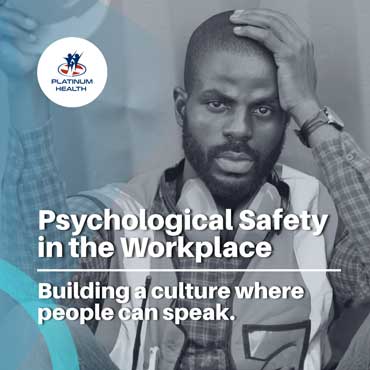
Psychological Safety in the Workplace
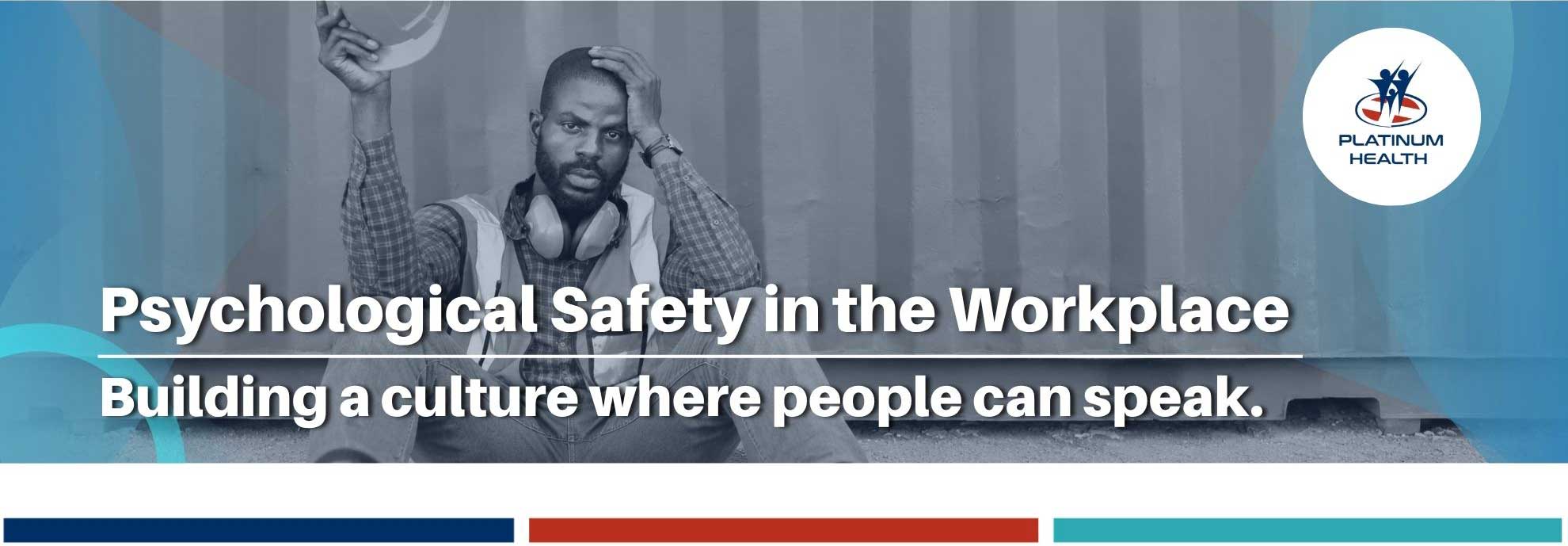
Every healthy workplace is built on more than policies, procedures and performance targets. It is also built on trust. Psychological safety is the shared belief that people can speak honestly, ask questions, raise concerns, admit mistakes and offer ideas without fear of humiliation, blame or punishment. When employees feel safe to use their voices, teams become more open, more creative and better equipped to learn together.
What Psychological Safety Means
Psychological safety does not mean that everyone always agrees, avoids difficult conversations or lowers standards. Instead, it means people can contribute without walking on eggshells. In a psychologically safe team, an employee can say, “I need help,” “I made a mistake,” “I see a risk,” or “I have a different idea,” knowing that the response will be respectful and constructive.
Why It Matters
When people are afraid to speak up, important information can stay hidden. Small problems can become bigger problems, good ideas can go unheard, and employees may begin to feel disconnected from their work. Psychological safety helps change this. It encourages learning, improves collaboration and supports a sense of belonging. It also helps teams respond more effectively to change, because people are more willing to share what they know and ask what they do not yet understand.
What It Looks Like in Practice
- Team members listen to one another without interrupting or dismissing concerns.
- Leaders invite input and show appreciation when people speak honestly.
- Mistakes are treated as opportunities to learn, not as reasons to shame someone.
- Different perspectives are welcomed, especially when decisions affect the whole team.
- People feel comfortable asking for clarity, support or feedback.
How Leaders Can Encourage It
Leaders play an important role in setting the tone. Simple habits can make a noticeable difference: asking open questions, acknowledging when they do not have all the answers, responding calmly to bad news, and following up on feedback. When leaders model humility and curiosity, they show employees that speaking up is not only allowed but valued.
Everyone Has a Role to Play
Psychological safety is shaped in everyday moments. It grows when colleagues respond with kindness, listen with attention and make space for quieter voices. It is strengthened when people disagree respectfully, give credit generously and avoid gossip or blame. Each interaction can either build trust or weaken it, which means every person contributes to the culture of the workplace.
A Workplace Where People Can Thrive
Building psychological safety takes time, consistency and care. It begins with small actions: asking one more question, listening a little longer, admitting when something went wrong, and choosing respect in difficult conversations. When people feel safe to speak, learn and contribute, the workplace becomes more than a place to complete tasks.
It becomes a place where people can grow, connect and do their best work together.
Who to Turn to for Help
Psychological safety is something we build together, but no one has to navigate workplace challenges alone. If you need guidance, support or simply someone to talk to, our trained professionals are available to help you strengthen your sense of safety, confidence and wellbeing at work.
For professional support, contact our Mental Health Services at 014 590 1700. EAP Counsellors are also available 24 hours a day, 7 days a week on 010 133 0525 to provide counselling and support.