

Health Blog
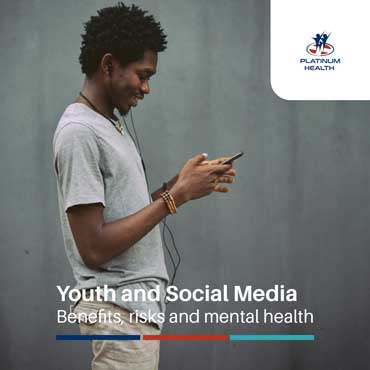
Youth and Social Media

Social media is a big part of young people’s lives. It helps them stay connected, learn, express themselves, and join conversations. But too much social media, or negative online experiences, can affect their mental health.
Knowing the benefits and risks can help the youth use social media in a healthier way.
What are the benefits of social media?
When used well, social media can help young people:
- Stay connected with friends and family.
- Learn new things.
- Find support and a sense of belonging.
- Share creativity through photos, videos, music, or writing.
- Raise awareness about important issues.
What are the risks of social media?
Social media can become harmful when it is used too much or in unhealthy ways. Common risks include:
- Unrealistic comparisons
Edited posts can make young people compare themselves to unrealistic standards. This can lower self-esteem and body confidence.
- Cyberbullying
Online bullying, rumours, exclusion, and hurtful comments can cause anxiety, sadness, withdrawal, and poor school performance.
- Fear of missing out (FOMO)
Seeing others having fun or succeeding can make young people feel left out, lonely, or stressed.
- Sleep disruption
Using phones late at night can disturb sleep, which may affect mood, focus, and schoolwork.
- Addiction and too much screen time
Likes, notifications, and endless scrolling can make it hard to stop. This may reduce time for school, sleep, hobbies, and face-to-face relationships.
How does social media affect mental health?
Too much social media can contribute to anxiety, depression, low self-esteem, loneliness, and body image concerns, especially when young people compare themselves to others or face negative online experiences.
What are the warning signs that social media may affect your mental health?
- Mood changes or irritability.
- Pulling away from family and friends.
- Poor sleep or school performance.
- Constantly checking social media.
- Feeling anxious, sad, or worthless after being online.
What are healthy social media habits for youth?
Young people do not need to stop using social media completely. They should use it in a balanced way:
- Set limits
Decide how much time to spend online each day and take regular breaks.
- Spend time offline
Make time for family, friends, hobbies, sport, reading, and outdoor activities.
- Keep phones away at key times
Avoid phones during meals, study time, family time, and before bed.
- Choose positive content
Follow accounts that educate, inspire, or support you. Unfollow accounts that make you feel bad.
- Think before posting
Be kind online and remember that posts can have long-term effects.
- Protect your sleep
Keep devices out of the bedroom and follow a regular sleep routine.
- Ask for help
If social media causes stress or sadness in your household, reach out to our Mental Health Services on 014 590 1700 or speak to an EAP counselor on 010 133 0525 who is available 24/7 to offer counseling and support.
Remember, social media can be useful, but it should not take over daily life. Healthy habits can help young people enjoy the benefits while protecting their mental health.
The goal is balance: using technology in a way that supports well-being, learning, and real-life connection.